Medically reviewed by Dr. Corinne Erickson, Board-Certified Dermatologist and Menopause Society Certified Practitioner | Georgia Skin Specialists, Atlanta, GA
How Do Hormones Affect Your Skin?
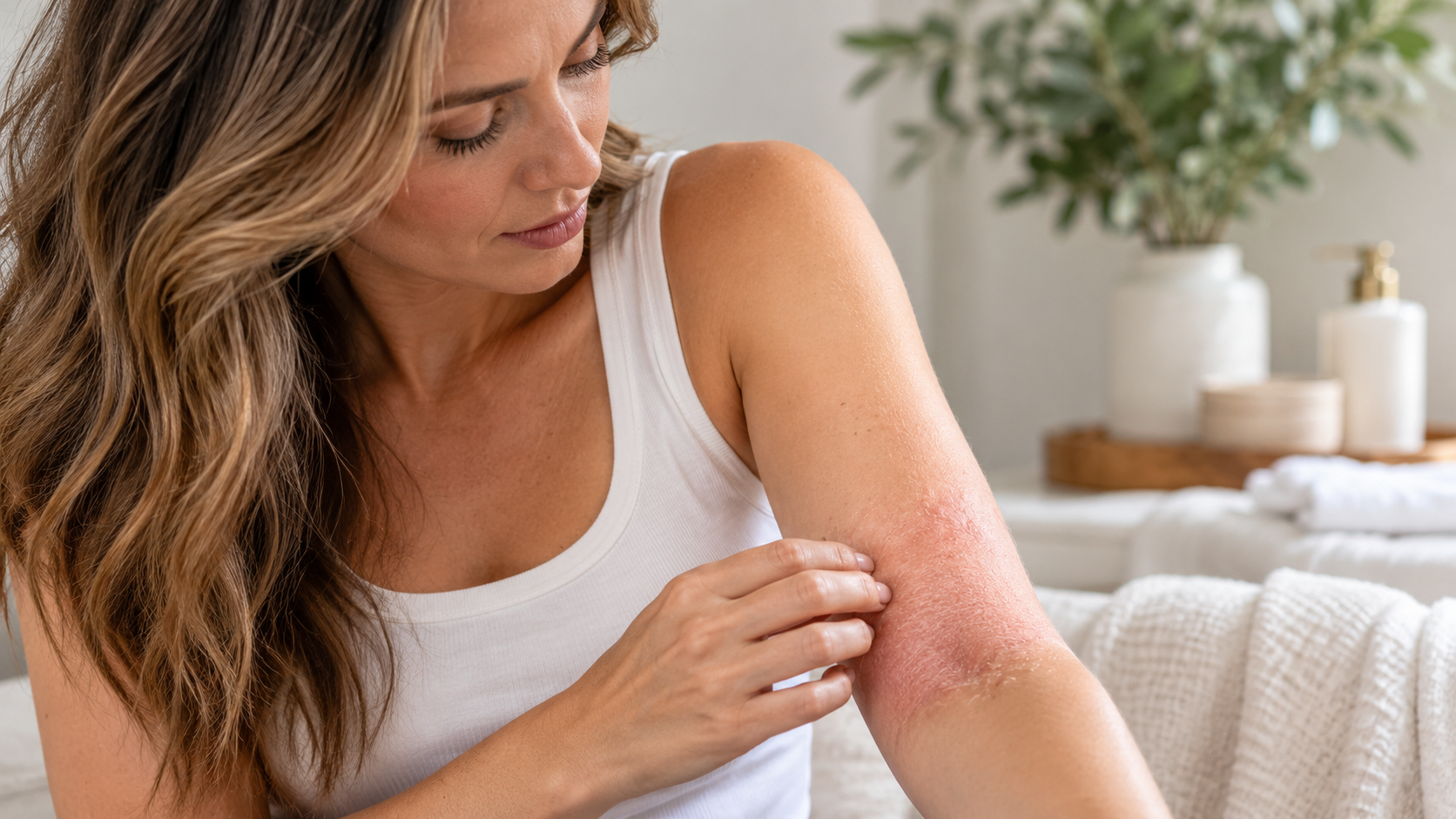
Hormones, especially estrogen, help regulate skin collagen, hydration, thickness, elasticity, and barrier function. As estrogen levels fluctuate and decline during perimenopause and menopause, women may experience dry skin, wrinkles, adult acne, pigmentation changes, and hair thinning.
These changes are part of an emerging clinical concept called Pilocutaneous Syndrome of Menopause (PSM), a proposed framework that recognizes the relationship between hormonal changes and skin and hair health during menopause.
Dr. Corinne Erickson, a board-certified dermatologist and Menopause Society Certified Practitioner at Georgia Skin Specialists in Atlanta, is a coauthor of research introducing PSM to help improve recognition of menopause-related skin and hair changes.
What Is Pilocutaneous Syndrome of Menopause (PSM)?
Pilocutaneous Syndrome of Menopause (PSM) is a proposed clinical framework describing the skin and hair changes associated with hormonal fluctuations and declining estrogen during perimenopause and menopause.
The term pilocutaneous refers to hair and skin.
PSM recognizes that concerns such as dry skin, collagen loss, increased wrinkles, adult acne, and hair thinning may share an underlying hormonal connection rather than being completely unrelated conditions.
Although PSM is not yet a universally established medical diagnosis, the framework aims to improve awareness, encourage research, and help women have more informed conversations with their healthcare providers.
“Skin and hair changes during menopause are vital signs, not vanity. Giving these changes a name helps women recognize what’s happening in their bodies and advocate for the care they deserve.”
– Dr. Corinne Erickson, Board-Certified Dermatologist and Menopause Society Certified Practitioner
What Skin and Hair Changes Can Happen During Menopause?
The most common menopause-related skin changes include dryness, reduced elasticity, thinning skin, increased wrinkles, adult acne, and changes in pigmentation. Some women also experience increased hair shedding or reduced hair density.
Hormonal Skin Changes: Causes and Symptoms
| Skin or Hair Change | Hormonal Connection | Common Symptoms |
| Collagen loss | Declining estrogen contributes to reduced collagen and structural support | Fine lines, wrinkles, sagging |
| Dry skin | Lower estrogen can affect moisture retention and skin barrier function | Flaking, tightness, dehydration |
| Thinning skin | Reduced collagen and changes in skin structure | Crepey, fragile skin |
| Adult acne | Hormonal fluctuations and changing androgen activity may affect oil production | Chin and jawline breakouts |
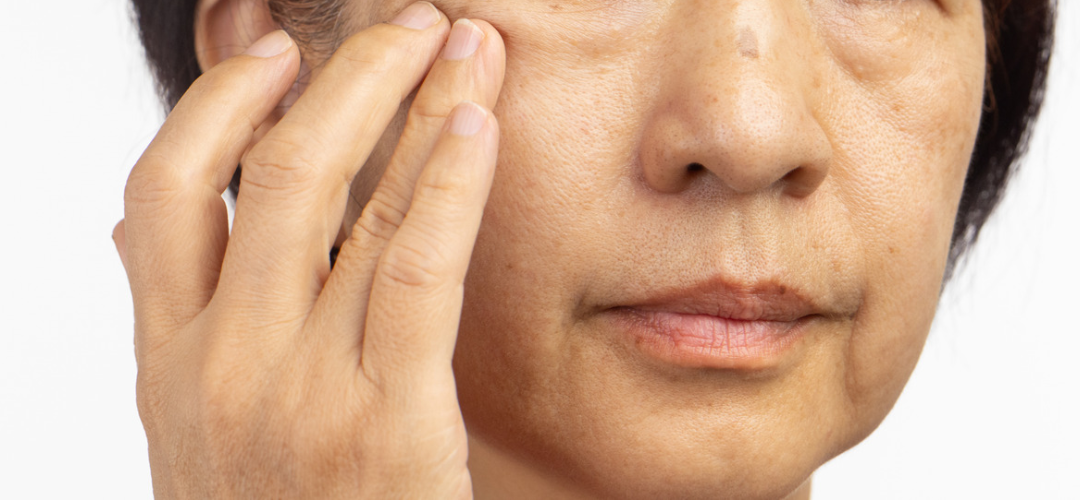
| Pigmentation | Estrogen can influence melanin production | Melasma, uneven skin tone |
| Hair thinning | Hormonal changes may affect the hair growth cycle | Increased shedding, widening part |
| Skin sensitivity | Changes in barrier function may increase irritation | Redness, sensitivity to products |
Not every woman experiences these symptoms, and they are not always caused by hormones. Other factors, including genetics, sun exposure, nutritional deficiencies, medications, and underlying medical conditions, may contribute.
Why Does Skin Lose Collagen During Menopause?
Estrogen helps maintain collagen, a structural protein that supports skin firmness, elasticity, and thickness.
As estrogen levels decline during menopause, collagen loss can accelerate.
Research suggests that women may lose approximately 30% of their skin’s collagen during the first five years after menopause, followed by a more gradual decline.
This helps explain why some women notice relatively rapid changes in skin firmness, texture, and wrinkles during midlife, even when their skincare routine has remained the same.
However, menopause-related skin aging involves more than collagen loss. Changes in hydration, skin barrier function, and skin thickness can also affect how skin looks and feels.
Can Perimenopause Cause Acne and Dry Skin at the Same Time?
Yes. Hormonal fluctuations during perimenopause can contribute to both adult acne and increased skin dryness.
Estrogen influences skin hydration and barrier function, while changes in the balance between estrogen and androgen activity can affect oil production.
As a result, some women experience breakouts while simultaneously noticing that their skin feels drier or more sensitive than it did previously.
This is one reason skincare routines that worked in your 20s and 30s may no longer meet your skin’s needs during perimenopause.
A dermatologist can help distinguish hormonal acne from other conditions and recommend treatments that address breakouts without unnecessarily irritating the skin.
Does Menopause Cause Hair Thinning?
Menopause-related hormonal changes can contribute to hair thinning, increased shedding, and reduced hair density.
Estrogen influences the hair growth cycle, and changes in estrogen and androgen activity may contribute to changes in follicle function.
However, hair thinning during midlife is not always caused by menopause.
Thyroid disorders, iron deficiency, nutritional factors, genetic hair loss, and certain medications can also contribute.
Because different types of hair loss require different treatments, evaluation by a dermatologist is important.
Can Estrogen Therapy Improve Menopause-Related Skin Changes?
Some research suggests that estrogen therapy may improve skin collagen, thickness, elasticity, and hydration. However, estrogen therapy is not recommended solely for cosmetic skin aging, and treatment decisions should be individualized.
Systemic menopausal hormone therapy and topical estrogen products formulated for facial skin are different treatments.
Small studies have investigated the potential effects of topical facial estrogen on skin aging, but larger, longer-term studies are needed to establish its effectiveness and safety.
Facial estrogen use remains off-label in the United States and should be discussed with a qualified prescribing clinician.
Not every symptom associated with PSM requires hormonal treatment. A comprehensive approach may include skincare, prescription dermatologic treatments, and evaluation of other potential causes.
What Is the Best Skincare Routine for Menopause-Related Skin Changes?
The best skincare routine during menopause supports the skin barrier, protects against UV damage, and addresses individual concerns such as dryness, wrinkles, acne, or pigmentation.
Dermatologists commonly recommend:
- Daily sunscreen: Use broad-spectrum SPF 30 or higher to protect against UV-related collagen breakdown and pigmentation.
- Barrier-supporting moisturizer: Look for ingredients such as ceramides, glycerin, and hyaluronic acid to support hydration.
- Gentle cleansing: Avoid harsh cleansers that can worsen dryness and sensitivity.
- Targeted prescription treatments: Retinoids, azelaic acid, and other treatments may help address specific concerns when appropriate.
- Professional evaluation: Persistent acne, pigmentation changes, or hair thinning may benefit from an individualized treatment plan.
Why Is Recognizing PSM Important for Women’s Health?
Recognizing PSM may help women and healthcare providers better understand the relationship between menopause and changes in skin and hair.
Historically, many menopause-related skin concerns have been addressed individually or attributed solely to aging.
PSM provides a framework for considering whether multiple changes may share a hormonal component.
For example, a woman experiencing new facial dryness, adult acne, and hair thinning during perimenopause may benefit from a more comprehensive evaluation rather than treating each concern in isolation.
For Dr. Erickson, increasing awareness of these changes is part of improving how menopause-related concerns are recognized and discussed in clinical care.
Frequently Asked Questions About Hormones, Skin, and PSM
At what age do hormonal skin changes begin?
Hormonal skin changes may begin during perimenopause, which commonly starts in a woman’s 40s but can begin earlier. The timing and severity of symptoms vary.
What are the first signs of declining estrogen in the skin?
Increased dryness, changes in elasticity, skin sensitivity, and changes in texture may occur as estrogen levels fluctuate or decline. These symptoms are not specific enough to diagnose low estrogen on their own.
Is PSM a medical diagnosis?
PSM is an emerging clinical framework describing menopause-associated skin and hair changes. It is not yet a universally established or independently validated medical diagnosis.
Does every woman experience PSM?
No. Menopause-related skin and hair changes vary significantly between individuals. Some women experience several symptoms, while others notice relatively few changes.
Can hormone replacement therapy reverse skin aging?
Hormone therapy may improve certain measures of skin health, but it does not reverse all signs of aging. Systemic hormone therapy is not routinely recommended solely to improve skin appearance.
Should I see a dermatologist for menopause-related hair loss?
Yes, particularly if hair thinning is persistent, rapidly progressing, or accompanied by scalp symptoms. A dermatologist can help identify the cause and discuss appropriate treatment options.
Understanding Your Skin Starts With Understanding Your Hormones
The skin and hair changes that occur during perimenopause and menopause are not always simply cosmetic concerns. They may reflect hormonal changes taking place throughout the body.
Through her research on Pilocutaneous Syndrome of Menopause (PSM), Dr. Corinne Erickson is helping advance awareness of the connection between hormonal health and skin and hair changes.
At Georgia Skin Specialists in Atlanta, Dr. Erickson combines her expertise as a board-certified dermatologist and Menopause Society Certified Practitioner to help women understand their changing skin and explore individualized treatment options.
Noticing changes in your skin or hair during midlife?
Schedule an appointment with Dr. Erickson at Georgia Skin Specialists to discuss your concerns and develop a personalized approach to skin health.
This article is for educational purposes only and does not constitute medical advice. Hormone-related treatments should be discussed with a qualified healthcare provider.