Hair & Nail CONDITIONS
The health of your hair and nails can be an important indicator of the health of your whole body. Hair loss, brittle nails, and uncomfortable skin conditions can also cause significant distress and embarrassment. If you are experiencing any trouble with your hair, nails, or skin, it’s important to visit your Atlanta dermatologist about it.
Dermatologist hair loss treatments can provide relief and a better outlook on life. We can diagnose and treat troubling hair and nail conditions and help you find out why you may be experiencing them, so that any systemic health conditions can also be treated for an overall healthier body and mind. Here at Georgia Skin Specialists, we treat all of the following hair, nail, and skin problems and more.
Hair Loss
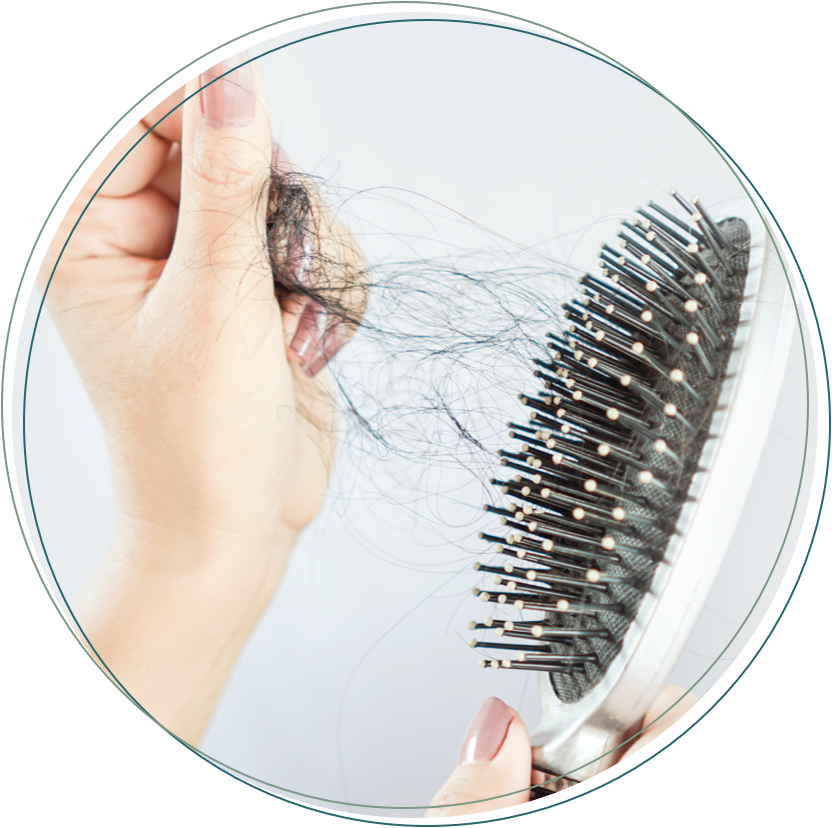
An average, a healthy person may lose between 50 to 200 hairs each day through natural hair follicle cycles of growth and regeneration. However, if you notice that you lose more hair than seems normal for you, or that you have developed unusual thinning or bald spots, it’s time to see a dermatologist for further evaluation and treatment.
NEW! We’re excited to now offer restorative PRP Hair Treatments. Schedule a consultation and discover how this latest treatment option can restore your hair’s natural vitality.
Some hair loss conditions we treat include the following:
Telogen Effluvium
Androgenetic Alopecia
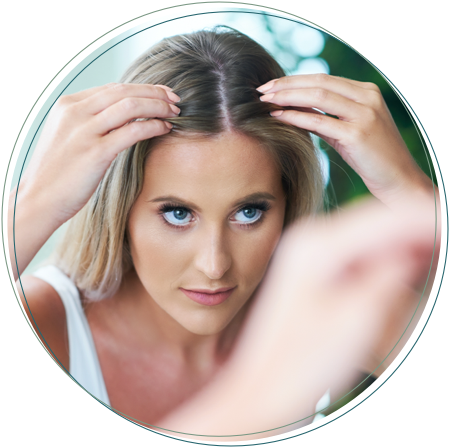
Although androgenetic alopecia is also commonly called “male-pattern baldness”, it is a common form of hormone-induced hair loss for men and women alike. Men typically have the receding hairline and thinning at the top of the crown. Women with Androgenetic Alopecia experience thinning hair more pronounced in the midline. Some women who have this condition may also have an increased tendency toward polycystic ovary syndrome or PCOS, which may also lead to symptoms such as acne, irregular periods, weight gain, and hair growing in unwanted areas.
The providers at Georgia Skin Specialists have many treatments to offer patients with Androgenetic Alopecia and are ready to help with your hair loss.
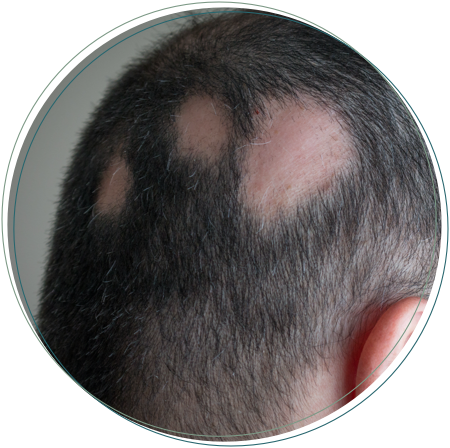
Alopecia Areata
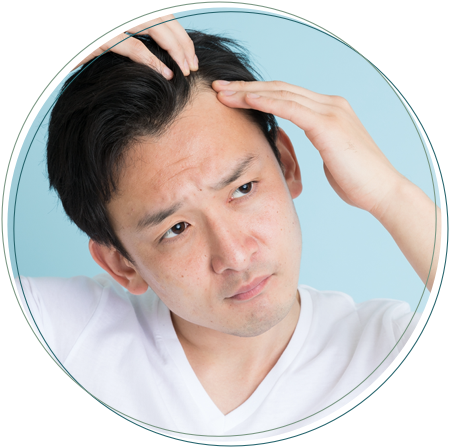
Alopecia Areata is an autoimmune condition in which the immune system attacks the hair follicles resulting in hair loss. Although hair loss with this condition can come anywhere on the body, it’s most commonly noticed on the SCALP and face. Alopecia Areata ranges from circular patchy areas of hair loss to more generalized loss that impacts the entire body. The providers at Georgia Skin Specialists are excited to offer cutting edge treatments to help you get your Alopecia Areata under control.
CCCA (Central Centrifugal Cicatricial Alopecia)
CCCA starts as a radiating hair loss from the crown of the head, rotating out in a circular pattern. Unfortunately, CCA leads to permanent hair loss due to damage to the hair follicles. The key to handling CCCA is early detection, which can help slow the progression of this disease. The hair loss at the crown of the head is often accompanied by tingling, burning, pain, or itching, but not always. Our dermatologist will take a biopsy to detect follicle scarring. Anti-inflammatory medications and topical applications can reduce this inflammation and hair loss, as well as gentle hair grooming practices.
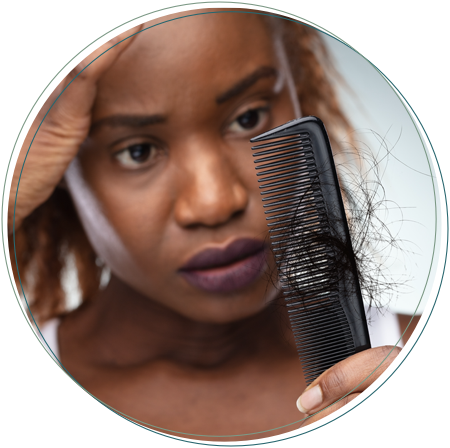
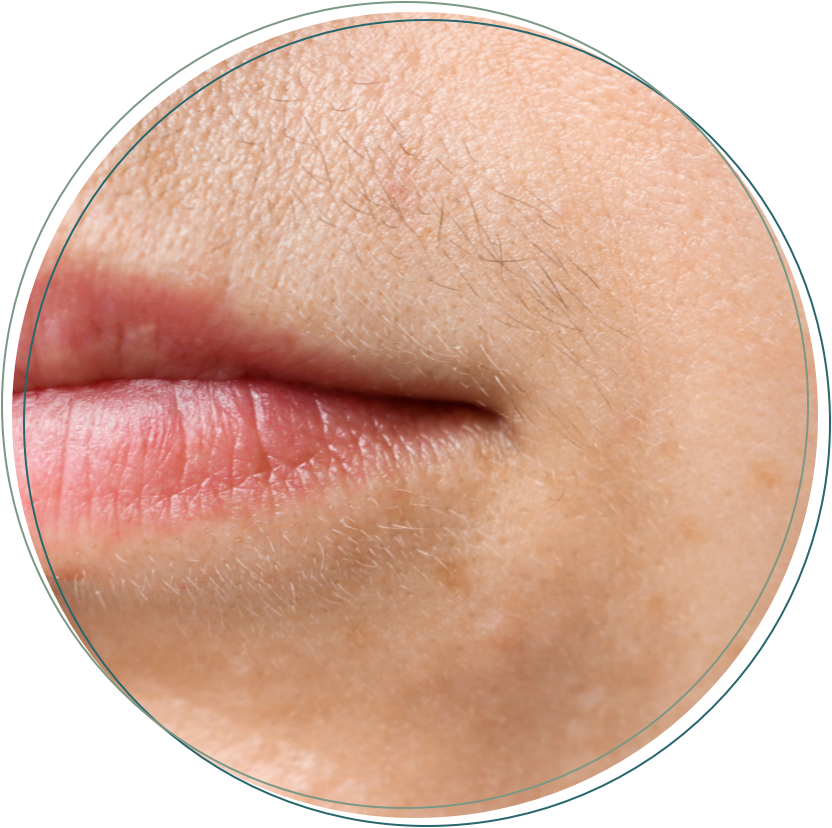
Unwanted Hair (Hirsutism)
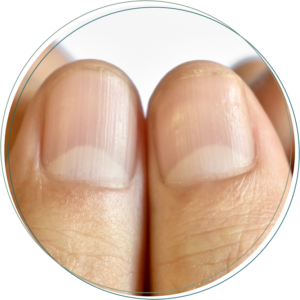
Nail Conditions
Dermatologist Treatments for Hair and Skin Conditions
At Georgia Skin Specialists in Atlanta, we have a team of experienced, caring dermatologists and expert staff who can accurately diagnose, treat, and help provide relief from various skin, hair, and nail conditions. Don’t continue to suffer, especially when these conditions may indicate a more serious, underlying cause. Call us to schedule an appointment today, or click below to book online.